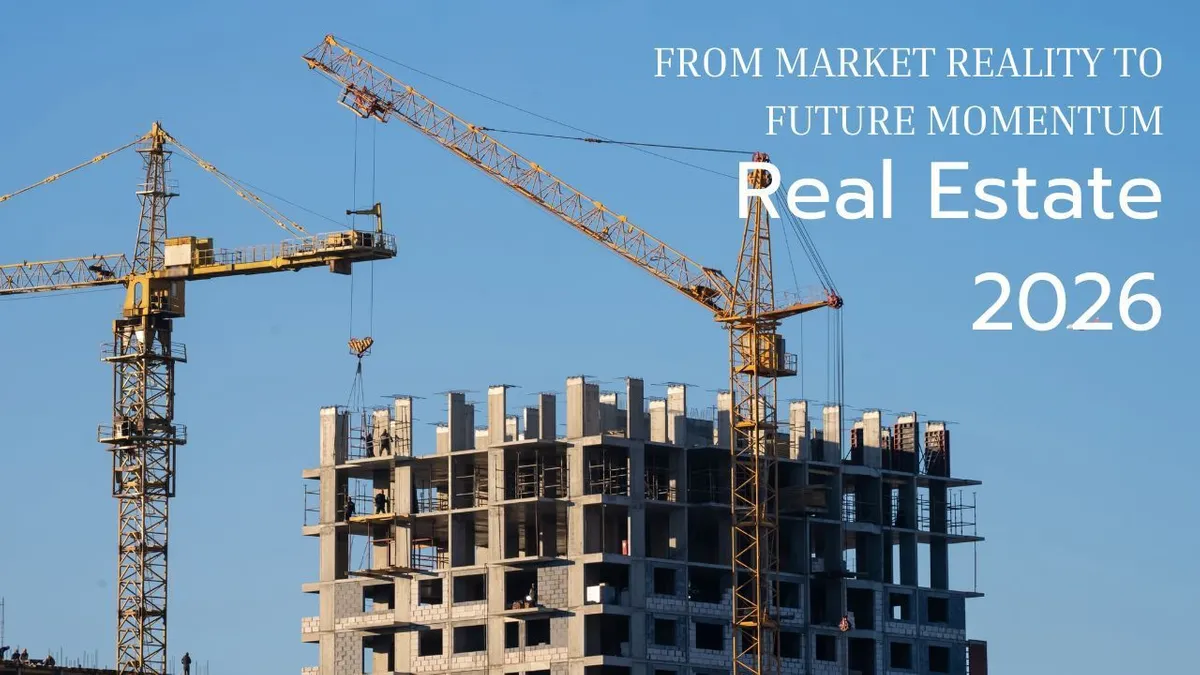

Real Estate Investment Strategies for First Time Investors (2026 Guide)

Real estate has long been one of the most reliable ways to build lasting wealth in India. With expanding cities, improving infrastructure, and rising housing demand, property investment continues to offer stability, rental income, and long-term appreciation.

But here’s the truth: first-time investors don’t fail because of lack of money : they fail because of lack of clarity.

The right strategy, location, and financial planning can turn your first property into a powerful wealth-building asset. This refined guide explains practical, beginner-friendly real estate investment strategies in India and how trusted developers like Reliant Housing help new buyers invest safely and confidently in 2026 and beyond.

Why Real Estate Works for First-Time Investors

Before choosing a property, understand how investment returns are created.

Key Concepts Every Beginner Must Know

TermMeaningWhy It Matters
ROI (Return on Investment)Profit earned on total investmentMeasures performance
Rental YieldAnnual rent ÷ Property priceShows income potential
AppreciationIncrease in property value over timeBuilds long-term wealth
Cash FlowIncome after expensesEnsures sustainability
LeverageUsing loan to investMultiplies buying power

Understanding these basics helps you avoid emotional decisions and invest logically.

Step 1: Investment Planning : The Foundation of Smart Buying

A clear plan reduces risk and increases returns.

Ask Yourself:

  • Do I want monthly rental income?
  • Am I investing for 5 years or 20 years?
  • What EMI can I comfortably afford?
  • How much risk can I handle?

Why Planning Matters

  • Prevents over-borrowing
  • Avoids emotional buying
  • Helps choose the right property type
  • Aligns investment with life goals

Smart planning = steady income + financial peace of mind.

Step 2: Choosing the Right Location (The 70% Rule)

Location determines 70% of your returns.

Look for Areas With:

  • Metro connectivity
  • IT parks and job hubs
  • Schools & hospitals
  • Infrastructure growth
  • Smart city development

High-Potential Zones

  • Emerging suburbs with infrastructure expansion
  • Areas near highways and metro lines
  • Developing Tier-2 cities
  • Smart city corridors

A good location ensures:
Higher rental demand
Better appreciation
Easier resale

Top Real Estate Investment Strategies for First Time Investors

Buy and Hold Strategy (Safest for Beginners)

Buy property and hold for 5-10 years while earning rent.

Best For: Long-term wealth creation
Risk Level: Low to Medium
Ideal Location: Growing residential hubs

Rental Property Investment

Generate steady monthly income.

Key Benefits:

  • Passive income
  • Tax benefits
  • Asset appreciation

Success Tip:

Maintain the property well and select strong tenant locations.

Affordable Housing Investment

Budget homes are always in demand.

Easier to rent
Lower entry cost
Lower financial risk
Strong government support

Ideal for first-time investors with limited capital.

Fix and Flip Strategy

Buy undervalued property → Renovate → Sell for profit.

Pros: Quick profits possible
Cons: Requires market knowledge & renovation skills
Risk Level: High

Best suited for experienced investors.

REITs for Beginners

Real Estate Investment Trusts allow you to invest in property without buying physical real estate.

Benefits:

  • Lower capital requirement
  • Easy to buy & sell
  • Diversification
  • Professional management

Many investors working with Reliant Housing also diversify through REITs to balance risk.

Financing: How Smart Loan Planning Supports Investment

Home loans make property accessible.

Smart Financing Tips:

  • Keep down payment at 20%–25%
  • Maintain credit score above 750
  • Compare lenders
  • Avoid maximum loan eligibility
  • Keep EMI under 45% of income

Good loan planning ensures long-term stability.

Legal Verification : Protect Your Investment

Legal mistakes can destroy returns.

Always Verify:

  • Clear title deed
  • RERA registration
  • Building approvals
  • Occupancy certificate
  • Encumbrance certificate

Working with reputed developers like Reliant Housing reduces legal risk significantly.

Common Mistakes First-Time Investors Must Avoid

MistakeWhy It’s Risky
Buying emotionallyOverpaying
Ignoring locationLow appreciation
Skipping legal checksOwnership disputes
Over-borrowingFinancial stress
Ignoring hidden costsBudget mismatch

How to Maximize Property Returns

Invest early in developing areas
Negotiate smartly
Diversify property types
Maintain property quality
Monitor market trends
Plan long-term exit strategy

Consistency builds wealth not quick decisions.

Future of Real Estate Investment in India (2026 & Beyond)

India’s property market is entering a strong growth phase.

Key Growth Drivers:

  • Rapid urbanization
  • Smart city projects
  • Affordable housing demand
  • Infrastructure expansion
  • Increased NRI investment

Early investors benefit most from appreciation cycles.

Quick Comparison: Which Strategy Is Right for You?

StrategyCapital NeededRiskIncomeIdeal For
Buy & HoldMediumLowMediumBeginners
Rental IncomeMediumMediumHighPassive income seekers
Affordable HousingLow-MediumLowMediumSafe starters
Fix & FlipMedium-HighHighHighExperienced investors
REITsLowLowMediumSmall investors

Final Thoughts: Your First Property Can Change Your Future

Real estate remains one of the safest long-term investment options in India. With proper research, location analysis, financial planning, and patience, beginners can build stable income and future wealth.

Following proven real estate investment strategies in India ensures smarter decisions and reduced risk.

For first-time property investors seeking reliable guidance, Reliant Housing provides trusted support from property selection to final ownership helping turn investment goals into lasting financial success.


NRI Real Estate Investment in India: A Complete Guide

For many NRIs, the dream is simple a comfortable home in India that offers security, emotional belonging, and financial strength. Real estate investment is turning this dream into reality for thousands of global Indians each year. Rising rental demand, steady appreciation, and improved regulations are fueling the surge in NRI property investment India. Yet successful investment requires more than intention; it demands knowledge of legal procedures, funding options, and tax implications. Understanding these factors early prevents costly mistakes later.

This guide walks you through the complete journey in a clear and practical way. With guidance from trusted developers like Reliant Housing, NRIs can confidently plan their future in India.

Why NRIs Invest in Indian Real Estate

NRIs invest in property in India for many simple reasons:

  • Emotional connection – Buying a home in India helps them stay connected to their family, culture and roots.
  • Better investment growth – Property prices in India can grow faster than in many other countries.
  • Regular rental income – They can earn monthly rent from the property while living abroad
  • Strong long-term value – Fast growing Indian cities often give better returns over time compared to many global markets

Types of Real Estate Investments for NRIs

NRIs have many options when investing in property in India Each type has its own benefits

1. Residential Properties

These include apartments, villas and housing projects NRIs can buy them for their own stay during visits to India or rent them out for regular income Residential properties are easy to manage and always in demand

2. Commercial Properties

This includes office spaces, shops and warehouses These properties usually give higher rent than homes and long term lease agreements. However they need a bigger budget and careful location selection

3. Plot Investment

Buying plots or land is a good option for long term growth. Land value usually increases over time, especially in developing areas. However it does not give regular income and needs proper legal checks

4. Pre Launch vs Ready to Move Projects

Pre launch projects are often cheaper and offer good price growth, but there can be delays or risks. Ready to move properties are safer because construction is complete but they usually cost more

Legal Rules for NRI Property Investment

Before buying property in India, NRIs should understand the basic legal rules This helps avoid future problems

1. Who Can Buy Property

NRIs, PIOs and OCIs can buy most homes and commercial properties in India They do not need special permission for these purchases

2. Rules for Money Transfer

Property buying and money transfer are controlled by government rules Payments should always be made through banks using legal methods This also helps when sending money back abroad later

3. Properties That Are Not Allowed

NRIs cannot buy agricultural land, farmhouses or plantation land unless they get special government approval

4. Check All Legal Papers

Before investing always check ownership, papers, approvals and builder details This helps make sure the property is safe and genuine

Financing Options for NRIs

NRIs have different ways to arrange money when buying property in India Many Indian banks offer home loans specially made for NRIs

1. Home Loans for NRIs

Most well known Indian banks give home loans to NRIs for buying homes or commercial property The loan amount depends on your income, the country you live in and your financial record

2. Documents Needed

To get a loan NRIs need to submit simple documents like a passport, OCI or PIO card, income proof, bank statements and sometimes job details These documents help the bank understand if you can repay the loan

3. Interest Rates

Interest rates for NRI home loans are usually a little higher than regular home loans Still, they are reasonable and depend on the bank and loan amount

4. Loan Repayment

NRIs can repay the loan in Indian money  or foreign currency depending on bank rules Payments are usually made through NRE or NRO bank accounts

5. Exchange Rate and Money Transfer

Currency rates can change, which may affect how much you finally pay NRIs should also follow all legal rules while sending money to India

Taxation for NRIs in India

Good tax planning helps NRIs get better returns from property investments

1. Tax on Rental Income

If an NRI earns rent from property in India this income is taxable Tax is charged as per the income tax slab rates in India

2. Tax When Selling Property

When a property is sold, capital gains tax applies

  • Short term capital gains apply if the property is sold within 24 months
  • Long term capital gains apply if the property is sold after 24 months and usually have lower tax

3. TDS on Property Transactions

For NRI property sales TDS is deducted by the buyer before making payment This is a legal requirement and must be followed

4. Avoiding Double Tax

India has tax agreements with many countries These agreements help NRIs avoid paying tax twice on the same income

Key Factors to Consider Before Investing

Before investing in property in India, NRIs should keep these points in mind:

  • Location, infrastructure growth and future appreciation potential
  • Check the builder’s background and past projects to make sure they are trustworthy
  • Make sure all legal papers, approvals and facilities are in place
  • Think about how easy it will be to sell the property in the future

Common Challenges Faced by NRI Investors

Investing from abroad comes with challenges:

  • Legal complexities and documentation hurdles.
  • Currency fluctuations affecting overall investment value.
  • Property management issues like tenant handling and maintenance.
  • Delays in project completion or approvals. 

Tips for Successful NRI Real Estate Investment

Tips for Successful NRI Real Estate Investment

  • Work with trusted property advisors like Reliant Housing to keep the process clear and safe
  • Keep checking your property and follow market trends from time to time
  • Invest in different cities and different types of property to reduce risk
  • Stay updated with property laws and tax rules in India
  • Follow basic home buying tips to make the process smooth and get better returns

Popular Cities for NRI Investment in India

NRIs typically invest in both metro and emerging cities:

  • Metro cities: Mumbai, Delhi NCR, Bengaluru, Hyderabad – high demand, strong ROI, premium pricing
  • Emerging cities: Jaipur, Chennai, Kochi,  Pune and Jaipur – affordable, high growth potential good rental yields

Future Trends and Opportunities

  • Smart city projects and affordable housing are creating more chances for NRIs to invest.
  • New property technology, online management services, and virtual property tours make buying property easier from abroad.
  • Government rules like RERA and housing schemes like PMAY make property buying safer and more transparent.
  • Real estate helps protect money from global price rises, making property investment in India a good long-term option for NRIs.

Conclusion

Investing in Indian real estate today can offer NRIs strong future returns through capital appreciation, steady rental income, and long term financial security. This blog covered the key aspects of NRI property investment India, including legal rules, financing, tax implications, and smart buying strategies to help you invest with confidence. To explore safe and high-growth opportunities, connect with Reliant Housing and take the next step toward securing your future in India.

10 Real Estate Scam Red Flags & How to Protect Yourself

The real estate market in India is growing rapidly, attracting buyers, investors, and first-time homeowners. Unfortunately, this growth has also led to an increase in scams and fraudulent schemes. Falling victim to a property scam can result in serious financial loss, legal complications, and emotional stress. That is why real estate scam prevention in India is more important than ever.

Whether you are buying your first home or investing in property, understanding the warning signs can save you from major trouble. In this blog, we discuss 10 common red flags and practical steps to protect yourself. Trusted developers like Reliant Housing emphasize transparency and legal compliance, helping buyers make safe property decisions.

Understanding Real Estate Scams

A real estate scam occurs when someone deceives a buyer, seller, or investor to illegally take their money. Common examples include fake property advertisements, forged documents, and misleading investment promises.

People most at risk include:

  • First-time homebuyers unfamiliar with legal procedures
  • Investors looking for quick, high returns
  • Renters responding to online property listings

These scams can cause financial loss, legal disputes, and significant stress. Careful verification and awareness are the best ways to stay safe.

Top 10 Red Flags of Real Estate Scams

1. The Price Is Too Low

If a property is significantly cheaper than similar properties in the area, be cautious. Always research local market prices and verify the seller or builder’s credibility.

2. Pressure to Make a Quick Decision

Scammers often say, “This offer is only valid today.” Do not rush. Take time to ask questions and verify all details before making any payment.

3. Missing or Suspicious Documents

If ownership proof, identity documents, or property papers are incomplete or unclear, treat it as a serious warning sign. Always confirm that documents are genuine and properly registered.

4. Demand for Cash Payments

Avoid paying large amounts in cash without official receipts. Use secure payment methods such as bank transfers or checks, and keep proper documentation.

5. Unregistered Agents or Builders

Verify whether the agent or builder is officially registered. Fraudulent agents may appear professional but are not listed on government or regulatory websites.

6. Unrealistic Profit Promises

Be cautious if someone guarantees extremely high rental income or quick returns. Compare their claims with actual market trends before believing such promises.

7. No Property Visit Allowed

If you are not allowed to physically visit the property and are shown only photos, it could be a scam. Always conduct a site visit or take a trusted virtual tour from a verified source.

8. Avoiding Clear Answers

If the seller avoids answering direct questions or provides vague explanations, consider it a red flag. Genuine sellers provide clear details and proper agreements.

9. Too Many Middlemen Involved

When multiple unknown people are involved in the transaction, the risk increases. It is safer to deal with one verified and trustworthy professional.

10. Poor Online Reviews or Fraud Warnings

Before finalizing a deal, search for online reviews and complaints about the builder or agent. Consistent negative feedback or fraud allegations should not be ignored.

How to Protect Yourself from Property Fraud

1. Verify Property Ownership Carefully

Before investing, thoroughly verify:

  • The property title in official land records
  • No pending legal disputes or financial claims
  • Valid identity and ownership documents

Taking time to verify these details can prevent major financial losses.

2. Work Only with Licensed Professionals

Always deal with registered agents, brokers, or builders. Trusted companies like Reliant Housing follow legal guidelines and ensure transparent transactions.

If someone cannot provide proof of registration, it is safer not to proceed.

3. Conduct Proper Due Diligence

Before purchasing:

  • Research the locality, infrastructure, and future development plans
  • Check the builder’s track record and past projects
  • Compare the property price with similar properties nearby

Careful research reduces the risk of being misled.

4. Use Safe Payment Methods

Never make large payments in cash. Always:

  • Use bank transfers or official payment channels
  • Keep proper receipts for every transaction
  • Verify ownership before transferring money

Secure payment methods provide proof in case of disputes.

5. Consult a Legal Expert

If you are unsure about any document or clause, consult a real estate lawyer. A lawyer can:

  • Review agreements and identify inconsistencies
  • Detect potential fraud or legal risks
  • Guide you on the safest way to complete the purchase

Legal advice is one of the strongest protections against fraud.

What To Do If You Suspect Fraud

If you believe a property deal may be fraudulent, act immediately:

  1. Stop making further payments.
  2. Collect and save all evidence, including emails, messages, and documents.
  3. Verify property ownership through official government records.
  4. Report the matter to the appropriate authorities.
  5. Seek legal assistance from a qualified real estate lawyer.
  6. Warn others by sharing your experience responsibly.

Acting quickly can help protect your money and prevent others from becoming victims.

Conclusion

Real estate scams are increasing, but awareness and careful verification can protect you. Watch for the 10 red flags discussed above and always complete proper legal checks before investing. Trusted developers like Reliant Housing prioritize transparency and compliance, making them a safer choice for property buyers.

By staying alert, informed, and cautious, you can invest confidently and avoid property fraud.

How Government Policies Are Shaping India’s Real Estate Market

What if the biggest force changing India’s real estate market isn’t demand or prices but government policy?

From buyer protection laws to affordable housing schemes, major reforms are reshaping how India buys, builds, and invests in property. This blog explores key real estate government policies in India, including Real Estate (Regulation and Development) Act, 2016 (RERA), Goods and Services Tax (GST), Pradhan Mantri Awas Yojana (PMAY), infrastructure missions, and Real Estate Investment Trust (REITs) and their impact on homebuyers, developers, and investors.

You’ll understand key RERA benefits, the impact of PMAY, and the future direction of the market. Most importantly, discover how Reliant Housing helps buyers navigate these policies with transparency, legal security, and smart investment guidance for a safer home-buying journey.

Major Government Policies Affecting Real Estate

a. RERA (Real Estate Regulatory Authority)

RERA is one of the biggest reforms in Indian real estate. It was introduced to protect homebuyers and bring transparency to the property market.

Key RERA benefits include:

  • Mandatory project registration by builders
  • Full disclosure of project details
  • Protection against project delays
  • Legal complaint and grievance redressal support

Because of RERA, transparency has improved significantly, and builders are now more accountable for on-time delivery.

b. GST in Real Estate

GST simplified the tax system for under-construction homes.

Key changes include:

  • Lower tax rates for affordable housing
  • Removal of multiple indirect taxes
  • Clearer final pricing for buyers

This has improved pricing clarity and supported affordability in several housing segments.

c. Pradhan Mantri Awas Yojana (PMAY)

The impact of PMAY has been strong in promoting affordable housing across India.

Main benefits:

  • Interest subsidy for first-time homebuyers
  • Financial support for low- and middle-income families
  • Encouragement for builders to develop budget-friendly homes

PMAY has enabled millions of families to buy their first homes in both metro cities and smaller towns.

d. Smart Cities Mission & Urban Infrastructure

Under the Smart Cities Mission, the government has invested heavily in infrastructure such as metro systems, highways, and urban services.

This has:

  • Improved travel and overall quality of life
  • Increased property prices in emerging corridors
  • Boosted housing demand in Tier 2 and Tier 3 cities

Infrastructure development directly supports long-term real estate growth.

e. REITs (Real Estate Investment Trusts)

REITs allow individuals to invest in commercial real estate with smaller capital.

Benefits include:

  • Entry into large office and commercial assets
  • Regular rental income opportunities
  • Better liquidity and structured returns

REITs have strengthened investor participation and improved cash flow in the real estate sector.

Impact on Homebuyers

Government reforms have made property buying safer and more transparent.

  • Stronger legal protection through RERA
  • Increased affordability due to PMAY
  • Easier access to loans and subsidies
  • Clear pricing and project updates

Because of these changes, buying a home in India is now more reliable and structured than before.

Impact on Developers and Builders

Policy reforms have also reshaped how builders operate.

  • Stricter compliance and approval norms
  • Growth of trusted and established developers
  • Greater focus on quality construction and timely delivery

Companies like Reliant Housing follow these guidelines by offering clear documentation, timely possession, and dependable customer support essential in today’s regulated market.

Investment Trends After Policy Reforms

Why Are Tier 2 Cities Becoming Attractive?

Cities like Jaipur, Indore, and Lucknow are growing rapidly due to better infrastructure, affordable pricing, and expanding job opportunities.

How Is Housing Demand Changing?

Demand is increasing mainly in:

  • Affordable housing
  • Mid-segment homes
  • Well-connected suburban areas

Why Is Long-Term Appreciation Likely?

New highways, metro expansions, and urban development projects increase property value over time, making real estate a strong long-term investment option.

Why Jaipur Is Becoming a Key Real Estate Growth City

Jaipur clearly shows how government policies impact real estate locally. Metro expansion, road development, smart city projects, and rising employment are driving housing demand.

Compared to larger metros, Jaipur still offers relatively affordable property prices, giving buyers strong potential for future price appreciation and rental income.

With government-backed infrastructure and planned development, Jaipur is emerging as a stable long-term investment destination. Reliant Housing offers projects that comply with all regulations, provide clear documentation, and are located in high-growth areas helping buyers invest safely and benefit from future value growth.

Key Policy Impact Summary

PolicyMain ObjectiveMarket Impact
RERATransparency & buyer protectionIncreased trust and timely delivery
GSTTax simplificationImproved pricing clarity
PMAYAffordable housingHigher homeownership demand
Smart Cities MissionInfrastructure growthRising property values
REITsRetail investment accessGreater liquidity in commercial real estate

Challenges and Policy Gaps

Despite major reforms, some challenges remain:

  • Slow approval processes in certain states
  • Land acquisition and funding difficulties
  • Uneven implementation of rules across regions

Addressing these gaps is important for sustained and balanced sector growth.

Future Outlook of India’s Real Estate Market

In the coming years, government policies are expected to focus on:

  • Digital land records and PropTech integration
  • Eco-friendly and sustainable housing
  • Continued affordable housing support
  • Increased investor participation through REITs

These reforms indicate that India’s real estate market is moving toward stable, structured, and long-term growth.

Why Is Sustainable Housing Becoming Important?

Green buildings and eco-friendly construction methods are gaining attention to reduce environmental impact and lower long-term living costs.

How Will Affordable Housing Continue to Grow?

Ongoing government support and incentives will continue helping more families achieve homeownership.

Why Will REIT Investment Increase?

REITs are likely to attract more investors due to structured returns, regular income potential, and relatively lower entry barriers compared to direct property purchases.

Overall, these trends highlight strong long term growth potential for India’s real estate market in the coming decade.

Conclusion

India’s real estate sector is being reshaped by strong government reforms that improve transparency, protect buyers, and encourage responsible development.

As real estate government policies in India continue to influence the market, they are expected to support long-term investment stability and property value growth especially in emerging cities. While short term fluctuations may occur, choosing the right location and a compliant, trusted developer reduces risk significantly. Reliant Housing supports confident decisions through transparency, timely delivery, and carefully selected future-ready projects.

PropTech in India: The Future of Real Estate Buying

Buying the right home in India can still be difficult due to hidden costs, multiple site visits, and inaccurate information. This is why PropTech in real estate India is changing the way buyers search for property. Technologies like virtual tours and AI real estate tools help people find homes faster, smarter, and with greater transparency.

Buyers can compare options online, verify details, and make confident decisions without delays. This article explains how technology reduces risks and makes home buying simple. With verified listings, clear pricing, and expert support, Relainth Housing helps you purchase property without stress or confusion.

What Is PropTech in Real Estate India?

PropTech in Indian real estate refers to the use of digital technology to improve how properties are searched, evaluated, financed, and purchased. It combines technology and real estate to give buyers faster, more transparent, and data-driven experiences.

Examples include:

  • AI real estate tools
  • Online documentation
  • Virtual tours
  • Smart data analytics

These tools reduce paperwork, save time, and lower risk. Instead of depending only on traditional brokers, buyers can now explore verified listings, compare prices, and make informed decisions from anywhere. This technology-driven approach is shaping the future of property buying in India.

Why PropTech Matters for the Real Estate Industry

PropTech in real estate India is making the property market more transparent, efficient, and customer-friendly. Digital tools such as virtual tours and AI real estate tools reduce delays, increase trust, and help buyers make smarter decisions.

At the same time, developers and brokers can manage projects, marketing, and customer service more efficiently in a competitive market.

Key Benefits

  1. Greater transparency in pricing, approvals, and property information
  2. Faster search, verification, and transaction process
  3. AI-based insights and smart property suggestions
  4. Virtual tours for remote viewing and better buyer experience
  5. Improved productivity for developers and brokers

Key PropTech Innovations Changing Property Buying

1. Online Property Portals & Marketplaces

Modern property websites allow buyers to search homes based on budget, city, size, and amenities. Verified listings, real photos, and clear location details build trust.

These platforms save time and make it easier to compare properties before planning a visit.

2. Virtual Tours, AR & VR Technology

Virtual tours and 3D walkthroughs are among the biggest PropTech innovations. Buyers can view layouts, interiors, and surroundings without traveling.

This is especially helpful for NRIs and buyers living in other cities. As VR technology improves, remote property buying is becoming more practical and reliable.

3. AI-Powered Recommendations & Data Analytics

AI real estate tools analyze buyer preferences, search history, and budget to suggest suitable properties.

Data analytics can also predict future price growth, rental income, and investment value. This helps buyers make smart, fact-based decisions instead of emotional ones.

4. Digital Documentation & E-Signatures

Digital paperwork has made property buying faster and more secure.

Online agreements, e-signatures, and digital verification reduce delays and minimize fraud risks. Buyers can complete many formalities without visiting multiple offices.

5. Blockchain in Property Transactions

Blockchain technology creates secure and tamper-proof ownership records through smart contracts.

It reduces disputes, prevents duplicate records, and removes unnecessary middlemen — increasing transparency in Indian real estate.

6. FinTech Integration & Instant Home Loans

FinTech services simplify home financing with:

  • Quick loan eligibility checks
  • Online approvals
  • EMI calculators

Buyers can compare lenders, plan budgets, and secure loans much faster.

During this digital transformation, trusted real estate consultants like Relainth Housing use modern tools, verified property data, and customer-focused support to help buyers make confident and safe decisions.

Benefits of PropTech for Homebuyers

The impact of PropTech in real estate India is clearly visible in the advantages it offers buyers:

  • Greater transparency in pricing, approvals, and legal status
  • Significant time savings through online search and comparison
  • Access to projects across multiple cities without travel
  • Better decision-making using AI insights and analytics

These benefits reduce uncertainty and empower buyers with reliable information — something that was difficult in the traditional system.

Impact on Builders, Brokers & Investors

PropTech is transforming the entire real estate ecosystem.

  • Developers use CRM platforms, automation tools, and digital marketing to reach the right audience.
  • Brokers are becoming tech-enabled advisors rather than just listing agents.
  • Investors rely on analytics dashboards, demand trends, and ROI forecasting tools to identify high-growth locations — especially in Tier 2 cities like Jaipur.

Challenges & Limitations of PropTech in India

Despite rapid growth, some challenges remain:

  • Digital literacy gaps in smaller towns
  • Fake or outdated listings on some platforms
  • Complex legal procedures across states
  • Trust issues in fully online transactions for high-value assets

Addressing these issues is important for long-term PropTech success.

Government Support & Digital Policies

Government initiatives are supporting PropTech growth in India.

  • RERA has improved transparency through mandatory project registration and online compliance.
  • Digital India programs promote online services and land record digitization.
  • Future reforms may support blockchain adoption and secure digital transactions.

These steps are gradually building buyer confidence in technology-driven real estate systems.

Future of PropTech in Indian Real Estate

The future of Indian real estate will be deeply connected with technology. Key trends include:

  • Advanced AI real estate tools for automated investment planning
  • Fractional ownership and tokenization
  • Smart homes and IoT-enabled communities
  • Strong growth in Tier 2 cities like Jaipur

As innovation continues, PropTech in real estate India will make property buying faster, safer, and more accessible.

Conclusion

The growth of PropTech in real estate India is making property buying faster, safer, and more transparent through virtual tours, AI real estate tools, digital documents, and quick financing.

In this blog, you learned how technology is simplifying the real estate journey, improving decision-making, and shaping the future of property investment in India.

With expert guidance, verified listings, and tech-enabled support, Relainth Housing helps you choose the right property with confidence and ease making your home-buying journey simple and secure.

How to Do a Legal Title Search Before Buying Property in India

A beautiful property at a good price means nothing if the legal title is not clear. One small mistake today can create years of legal trouble tomorrow. In this article, you will understand how to verify property title, complete a proper property legal check, review ownership history, check encumbrances, and confirm that the property is completely safe to buy in India.

Experts at Reliant Housing guide buyers through every legal verification step from document checking and title search to final approval so you can invest with full confidence and zero legal risk.

What is a Property Title Search?

A property title search is the legal process of verifying the ownership history, rights, and liabilities attached to a property. It confirms that:

  • The seller is the real legal owner
  • The property is free from disputes or unpaid loans
  • Ownership has been legally transferred over the years

Ownership vs Possession vs Title

  • Ownership – Legal right to the property
  • Possession – Physical control or occupancy
  • Title – Legal proof of ownership supported by documents

In India, title clarity is extremely important because unclear ownership records are one of the most common reasons for property disputes. Therefore, conducting a legal title search property India is a mandatory safety step for every buyer.

Why is a Title Search Important Before Buying Property?

A title search is a crucial legal step that confirms whether a property is safe to buy. It ensures the seller is the true owner and that the property has no legal disputes, unpaid loans, or hidden claims.

Without a proper legal title search property India, buyers may face financial loss, court cases, or even cancellation of ownership after purchase. Doing this check early protects your money and gives full legal security.

Key Reasons

  • Confirms true ownership
    Helps you verify property title and ensures the seller has the legal right to sell.
  • Checks loan or mortgage status
    Reveals bank loans, pending dues, or legal liabilities through encumbrance records.
  • Prevents legal disputes
    Identifies court cases, inheritance issues, or ownership conflicts before buying.
  • Verifies ownership history
    Reviews the past 20–30 years of records as part of a complete property legal check.
  • Ensures government approvals
    Confirms land use permission, approved layout, and legal construction status.
  • Protects your financial investment
    Reduces the risk of fraud, duplicate sale, or fake documents.
  • Gives peace of mind
    A clear title means the property can be safely transferred and registered in your name.

In short, doing a proper title search is the safest way to avoid future legal trouble and make a secure property investment in India.

Key Documents Required for Title Verification

To properly verify property title, you must check the following documents:

  • Sale Deed / Conveyance Deed – Primary proof of ownership
  • Mother Deed / Ownership Chain (20–30 years) – Shows transfer history
  • Encumbrance Certificate (EC) – Confirms no loans or legal dues
  • Khata / Patta / Jamabandi – Local land ownership records (state-wise)
  • Property Tax Receipts – Proof of tax payment
  • Approved Building Plan & Completion Certificate – Legal construction approval

Together, these documents complete the property legal check and help ensure a safe purchase.

Step by Step Process to Do a Legal Title Search

1. Verify Current Ownership

Match the seller’s name on the sale deed with:

  • Government land records
  • Identity proof (Aadhaar, PAN, etc.)
  • Authority documents (if someone is selling on behalf of the owner)

This is the first and most important step in legal title search property India.

2. Check Chain of Ownership

Verify ownership transfers for the last 20–30 years to ensure:

  • Continuous ownership history
  • No missing transfer documents
  • No inheritance or dispute issues

Incomplete ownership chains are a major red flag during a property legal check.

3. Obtain Encumbrance Certificate (EC)

The EC confirms whether the property has:

  • Bank loans or mortgages
  • Legal claims or pending dues
  • Court attachments

You can apply for EC:

  • Online through state registration portals
  • Offline at the Sub Registrar Office

This step is essential to verify property title safely.

4. Verify Land Use & Local Authority Approval

Ensure the property is legally approved for residential use:

  • It is not agricultural land being sold illegally
  • Layout is approved by the local development authority
  • Building plan is sanctioned

Professional consultants, including Reliant Housing, strongly advise checking land use approval before booking any flat or plot.

5. Check Pending Legal Disputes

Search for:

  • Civil court cases
  • Bank recovery notices
  • RERA registration status (for new projects)

Ignoring this step can create serious legal trouble even after purchase.

6. Confirm Property Taxes & Utilities

Make sure:

  • Property tax is fully paid
  • No electricity or water dues
  • Society maintenance is cleared

This completes the final property legal check before registration.

Online Methods to Verify Property Records in India

Today, buyers can perform a partial legal title search property India online using:

  • State land record portals
  • IGR (Inspector General of Registration) websites
  • RERA portals for under-construction projects

Online verification improves transparency, but it should always be supported by physical document checks.

Role of a Property Lawyer

Hiring a property lawyer is highly recommended to verify property title professionally.

A lawyer will:

  • Complete legal document verification
  • Check document authenticity
  • Identify risks or disputes
  • Provide a written legal opinion

Legal fees usually range from ₹5,000 to ₹25,000 depending on the city and property value. This small cost can prevent huge future losses.

Property Legal Risks Every Buyer Must Avoid

During any property legal check, watch out for:

  • Unregistered or incomplete sale deed
  • GPA sales without proper ownership transfer
  • Agricultural land sold as a residential plot
  • Missing approvals or fake documents

If any of these issues appear, avoid the deal immediately.

Along with these safety tips, it is also important to understand the Jaipur property market. Jaipur is growing fast due to better roads, metro connectivity, and affordable home prices. Still, buyers should always do a proper legal title search property India, verify property title, and complete a full property legal check before buying any property.

Developers like Reliant Housing provide projects with clear documents and legal approvals. Projects such as Felicia and Floresta are part of this growing residential development. Even then, buyers should always check RERA details and legal papers themselves to ensure the purchase is completely safe.

Felicia : Affordable Residential

  • Located in Mansarovar Extension, a fast-growing residential area in Jaipur
  • Offers 2 & 3 BHK apartments suitable for families and first-time buyers
  • Modern design planned for contemporary lifestyle needs
  • Lifestyle amenities including green spaces, security, and community facilities
  • Ideal for families, working professionals, and long-term investors

Floresta : Premium Residential

  • Premium 3 & 4 BHK flats with spacious layouts
  • Emerging location with better road connectivity and nearby facilities
  • Calm, secure, and family-friendly surroundings
  • Strong rental and resale potential due to growing housing demand
  • Modern amenities with open spaces and planned infrastructure

Conclusion

A proper legal title search property India ensures secure ownership, no legal disputes, strong resale value, and long-term peace of mind.

This blog explained how to verify property title and complete a full property legal check before buying. With expert guidance from Reliant Housing, buyers can confirm documents, approvals, and legal safety making their property investment confident, protected, and future ready.

Real Estate Market Forecast & Price Trends 2026 – 27

Real estate prices are expected to rise sharply in 2026 – 2027.  If you don’t buy now you may  never get property at today’s prices again In this blog we will explore how property prices in Jaipur are expected to move in 2026 – 27 the key trends that will shape the market  and the areas likely to see the most growth You will also gain a clear understanding of whether it is the right time to invest or wait.  So, the Reliant Housing can help you make the right real estate decision at the right time

Current Real Estate Market in India: Trends & Outlook for 2026–27

India’s real estate sector has now entered a steady growth phase after recovering in recent years  Residential demand remains stable infrastructure development is accelerating  and the flow of institutional investment is providing strong long term support to the sector Therefore the overall market outlook for 2026–27 is considered positive but balanced.

Residential Market Trends

  • Housing demand is growing in major cities as well as peripheral locations
  • Developers expect moderate price appreciation around 5–10% in 2026–27
  • Premium and lifestyle housing is strong but slight normalization is possible in the near future
  • Rising prices may continue to pose an affordability challenge for mid income buyers

Commercial Real Estate Outlook

  • Office leasing demand will be supported by the IT, finance, engineering and GCC sectors      
  • High leasing activity is expected to persist into 2026–27
  • Alternative segments such as industrial, logistics and data center assets are accelerating growth

Emerging Trend: Growth Beyond Metros

  • The biggest shift is that real estate growth is no longer limited to metro cities alone
  • Tier II cities are becoming fast growing investment hubs due to infrastructure expansion, better connectivity and planned urban development
  • Jaipur is a strong example of this trend where rising demand, new residential projects and improving connectivity are creating significant real estate growth potential in 2026–27

Key Drivers Impacting Real Estate Prices (2026–27)

Several factors will influence real estate prices in Jaipur over the next two years

  • Economic growth & stable GDP outlook supporting housing demand
  • Interest rate stability, making home loans more attractive
  • Rising construction costs, pushing prices upward gradually
  • Government housing policies encouraging planned development
  • Major infrastructure projects, road expansions and urban connectivity

Jaipur’s Real Estate Forecast 2026–27

Experts predict that Jaipur’s property prices will rise by 8–12% in 2026–27 making it one of the most promising investment opportunities among Tier 2 cities Here’s what buyers and investors can expect

Residential Properties:

Modern apartments, villas and gated communities will see steady appreciation Areas near IT hubs and metro stations are expected to witness the highest growth

Rental Market:

With the influx of professionals and students, rental demand will remain strong offering consistent returns for investors

Commercial Properties:

Offices, retail spaces and co working hubs will benefit from business expansion and improved connectivity

Why Property Prices Are Rising in Jaipur

Jaipur a fast growing Tier 2 city is attracting buyers because property remains more affordable than in metro cities yet demand is rising steadily

Growing Employment and Business Hubs

Expansion of IT companies, industrial zones and business hubs is creating jobs, drawing professionals and boosting demand for housing in well connected neighborhoods

Improved Infrastructure and Connectivity

Enhanced roads, flyovers, and the Jaipur Metro are making distant areas more accessible  New schools, hospitals and shopping centers are improving livability, increasing property appeal

High Buyer Demand with Limited Supply

Rising population and urban migration are creating strong demand while prime locations remain limited This imbalance is steadily pushing prices upward

Lifestyle and Investment Appeal

Modern apartments, gated communities and interest from long term investors and NRIs make Jaipur a top choice for both lifestyle buyers and investors

Emerging Tier 2 Cities: Stable but Faster Growth

Tier II cities are becoming the new focus for real estate investors because they offer

  • Lower property prices, enabling entry at more affordable levels than metro markets
  • Rapid infrastructure development, improving accessibility and livability
  • Rising end user demand driven by employment growth and urban migration
  • Stronger long term appreciation potential compared to already saturated metro cities

Among leading emerging cities Jaipur, Indore, Lucknow, Coimbatore and Ahmedabad  Jaipur stands out due to its expanding IT presence infrastructure upgrades and growing interest from domestic buyers and NRIs making it a compelling choice for future real estate investment

Why Reliant Housing Projects Stand Out in Jaipur’s 2026–27 Growth

Jaipur’s real estate market is expected to see steady appreciation in 2026–27 and to capitalize on this growth  choosing the right location and a trusted developer becomes crucial Here  Reliant Housing offers buyers and investors secure and future ready investment opportunities through its thoughtfully planned residential projects

Felecia – Affordable Modern Homes in Jaipur

It is a residential project under development in Mansarovar Extension, Jaipur This project offers 2 & 3 BHK flats, where well planned design and modern amenities are both available

Key Highlights:

  • Located in Mansarovar Extension — a fast growing residential zone in Jaipur
  • Offers 2 & 3 BHK apartments: suitable for families and first time buyers
  • Modern Design: Planned according to contemporary lifestyle needs
  • Lifestyle Amenities: Green spaces, security, and community facilities
  • Investment Potential: Steady value appreciation expected during 2026–27
  • Ideal For: Families, working professionals, and long term investors

Floresta – Premium Living in Mansarovar Extension

It is a premium residential community also located in Mansarovar Extension, Jaipur This project offers 3 & 4 BHK luxury apartments with a focus on modern lifestyle and comfortable living

Key Highlights:

  • Premium 3 & 4 BHK flats with spacious layouts
  • Emerging Location: Better road connectivity and nearby urban facilities
  • Family Friendly Living: Calm, secure, and comfortable surroundings
  • Rental & Resale Potential: Growing housing demand supports consistent returns
  • Modern Amenities: Open spaces, community features, and planned infrastructure

Best Real Estate Opportunities in 2026–27

  • Mid range residential projects in growing Jaipur locations offer strong value and appreciation
  • Ready to-move & near completion homes ensure lower risk and faster returns
  • Trusted developers like Relainthousing provide better quality and long term security
  • Projects such as Felicia and Florista stand out for modern living and investment potential
  • Long term investment in Jaipur promises stable growth and rental demand

Conclusion

Looking ahead Jaipur is set to strengthen its position as a promising real estate destination with rising property values, consistent rental demand and better investment potential. Supported by strategically located developments Reliant Housing helps investors secure opportunities aligned with future growth For property investment in 2026 Jaipur stands as a clear and forward-looking choice.

Best Real Estate Investment Locations in 2026: Why Jaipur Leads the Way

The most important factor in real estate investment in 2026 is choosing the right location. Long-term growth potential matters more than ever. Investors who identify future-ready destinations achieve strong capital appreciation and stable returns.

In this guide, we cover the best real estate investment locations and their growth drivers. We also explain key factors that help investors make safe and high-return decisions.

Reliant Housing helps investors identify premium projects in top-performing locations. These areas offer strong future growth and long-term return potential.

Why Jaipur Is a Top Investment Hotspot for Real Estate Investors

Jaipur has emerged as one of India’s most promising real estate markets. The city offers fast infrastructure growth, planned development, and affordable property prices.

As a rising Tier-2 city, Jaipur provides strong appreciation potential. Improving connectivity and increasing housing demand make it ideal for long-term investors.

Tier-2 Cities and the New Wave of Property Growth

In 2026, investors are shifting from crowded metro cities to fast-growing Tier-2 cities. The main reasons are affordability and higher growth potential.

Cities like Jaipur, Ahmedabad, Indore, Lucknow, Chandigarh and Kochi are gaining attention. These cities offer improving infrastructure, job creation, and rising housing demand.

Key growth drivers include:

  • Rapid infrastructure development backed by government initiatives
  • Expansion of IT parks and industrial zones
  • Lower property prices than metro cities
  • Rising demand from end users, NRIs, and long-term investors

Among these cities, Jaipur stands out. The city offers planned development, strong road connectivity, metro expansion, and affordable property prices. This makes Jaipur a reliable and future-ready investment destination.

1. Affordability with Better Returns

Property prices in Jaipur remain lower than in major metro cities. This makes entry easier for buyers and investors.

In recent years, property values have shown steady growth. This offers strong long-term appreciation potential.

  • Lower entry prices
  • Higher appreciation scope
  • Steady rental income potential

2. Infrastructure and Connectivity Growth

Jaipur has witnessed major infrastructure upgrades. These improvements have boosted real estate demand.

Major developments include:

  • Jaipur Metro expansion
  • Ring Road development
  • Delhi-Mumbai Expressway connectivity
  • Improved airport infrastructure
  • Smart City initiatives

Better connectivity increases residential demand and property value.

3. Growing Commercial and IT Presence

Jaipur is rapidly emerging as a business and IT hub. Industrial areas and commercial zones are expanding.

This growth creates new job opportunities. More jobs increase housing demand.

  • Growth of IT parks and offices
  • Rising demand for rental housing
  • Strong long-term property appreciation

4. Government Support and Smart City Development

Jaipur’s inclusion in the Smart City initiative has strengthened urban planning. Infrastructure and public services have improved significantly.

Supportive government policies are encouraging real estate development.

  • Better roads and civic services
  • Improved livability
  • Planned urban expansion
  • Long-term rise in property values

Why Smart Investors Are Focusing on Jaipur

Investors are targeting Jaipur’s high-growth locations. Infrastructure upgrades and planned residential expansion are driving demand.

These areas offer affordable entry prices today. However, they have strong appreciation potential for the future.

Growing demand from homebuyers and working professionals strengthens long-term value. This makes Jaipur ideal for stable and future-ready investment.

Top Investment Locations in Jaipur

Mansarovar & Mansarovar Extension

Mansarovar is a well-established residential zone. Its extension areas are developing rapidly.

Improved road networks and metro connectivity are boosting property demand. These factors support long-term value growth.

Ajmer Road : The New Growth Corridor

Ajmer Road is one of Jaipur’s most promising real estate belts. It offers strong highway connectivity and proximity to industrial zones.

The area is attracting premium housing projects and smart communities.

Jagatpura : The IT & Education Hub

Jagatpura is popular among professionals and families. It is close to educational institutions, IT parks, and the airport.

This makes it ideal for rental income and capital appreciation.

Vaishali Nagar & Vaishali Nagar Extension

Vaishali Nagar is one of Jaipur’s most premium residential areas. It offers strong social infrastructure and high livability.

The extension areas are seeing new residential developments. Investors here benefit from stable returns and strong resale value.

Why Invest in Reliant Housing Projects in Jaipur?

Reliant Housing develops projects in high-growth areas. Their properties feature modern design, quality construction, and practical layouts.

These projects attract consistent tenant interest. This ensures steady rental income and long-term value growth.

1. Felecia

Felecia offers spacious 2 BHK and 3 BHK flats in Mansarovar Extension. The project features well-planned rooms and open spaces.

It is ideal for families and young buyers seeking comfort and long-term value.

2. Floresta

Floresta is a premium project near Patrakar Road, Mansarovar Extension. It offers large 3 BHK and 4 BHK flats with modern amenities.

This project appeals to buyers seeking luxury living and future appreciation.

Rental Yields in Jaipur Real Estate

Jaipur offers stable rental returns for residential investors. Areas like Mansarovar Extension and Vaishali Nagar attract working professionals and families.

Average Rental Yields

  • Standard residential areas: 3%–5% annually
  • High-demand localities: 4%–5% annually

Strong tenant demand ensures consistent rental income. This makes Jaipur suitable for long-term rental investment.

Conclusion

Jaipur’s real estate market is set for steady growth in 2026 and beyond. The city offers improving infrastructure, rising demand, and affordable entry points.

With projects in high-growth locations, Reliant Housing helps investors capture future gains with confidence.

If you plan to invest in 2026, Jaipur is not just an option it is an opportunity.

Rental Yield vs Capital Appreciation in Jaipur: What’s Better for Property Investors?

Jaipur has rapidly evolved from a cultural capital into one of North India’s most promising real estate investment destinations. With improving infrastructure, growing job opportunities, and rising housing demand, investors often face one key question:

Should you focus on rental yield or capital appreciation in Jaipur real estate?

This guide breaks it down clearly helping you decide what works best based on your goals, budget, and time horizon.

What Is Rental Yield?

Rental yield is the annual rental income generated from a property, expressed as a percentage of its purchase price.

Rental Yield Formula:

Rental Yield (%) = (Annual Rent ÷ Property Value) × 100

Jaipur Rental Yield (Current Snapshot)

  • Average rental yield: 2.5% – 4%
  • High-demand rental zones:
    • Mansarovar Extension
    • Jagatpura
    • Vaishali Nagar
    • Malviya Nagar
  • Best-performing property types:
    • 2 & 3 BHK apartments
    • Near IT parks, colleges, hospitals, and commercial hubs

Rental yield in Jaipur is considered moderate but stable, making it suitable for investors seeking regular monthly income with relatively lower risk.

Capital Appreciation Explained

Jaipur Capital appreciation refers to the increase in a property’s market value over time.

Capital Appreciation Formula:

Capital Appreciation (%) = (Current Value − Purchase Price) ÷ Purchase Price × 100

Capital Appreciation in Jaipur

Jaipur has shown strong long-term appreciation, especially in emerging corridors.

Key growth drivers:

  • Jaipur Metro expansion
  • Ring Road & Delhi–Mumbai Expressway connectivity
  • Smart City initiatives
  • Rising demand from professionals and NRIs

High Appreciation Zones in Jaipur:

  • Ajmer Road
  • Tonk Road
  • Jagatpura
  • Sikar Road
  • Mahindra SEZ belt

Historically, capital appreciation in Jaipur ranges from 6% to 10% annually in well-located projects.

Jaipur Market Comparison: Rental Yield vs Capital Appreciation

FactorRental YieldCapital Appreciation
Income TypeMonthly cash flowLong-term wealth
Risk LevelLow to mediumMedium
LiquidityRegular incomeLocked till resale
Best AreasDeveloped localitiesEmerging corridors
Ideal ForIncome-focused investorsLong-term investors

Key Insight:
Jaipur currently favors capital appreciation more than high rental yield, especially for new projects in growth zones.

Investor vs End-User Strategy

For Property Investors

  • Focus on pre-launch or early-stage projects
  • Choose locations with upcoming infrastructure
  • Accept lower initial rental yield for higher resale value
  • Ideal if you have a 5–10 year horizon

For End-Users

  • Rental yield is less important
  • Buy in livable, well-developed areas
  • Benefit from both self-use and long-term appreciation
  • Prefer ready-to-move or near-completion projects

Property ROI Calculation in Jaipur (Example)

Scenario 1: Rental-Focused Property

  • Purchase Price: ₹50 lakh
  • Monthly Rent: ₹15,000
  • Annual Rent: ₹1.8 lakh

Rental Yield:
(1.8 ÷ 50) × 100 = 3.6%

Scenario 2: Appreciation-Focused Property

  • Purchase Price: ₹50 lakh
  • Value after 7 years: ₹85 lakh

Capital Appreciation ROI:
(85 − 50) ÷ 50 × 100 = 70% total return

Clearly, capital appreciation significantly outperforms rental yield over the long term in Jaipur.

Rent vs Buy in Jaipur: What Makes More Sense?

  • Rent if you want flexibility or short-term stay
  • Buy if you plan long-term settlement or investment
  • Jaipur’s affordability compared to Delhi NCR makes buying more attractive for first-time buyers

Final Verdict: What’s Better in Jaipur?

For steady income: Rental yield
For wealth creation: Capital appreciation
Best strategy: A balanced approach buy in a growth area with decent rental demand

Jaipur real estate rewards patience and location intelligence more than short-term gains.

Why Investors Trust Reliant Housing in Jaipur

When navigating rental yield and property ROI in Jaipur, working with a knowledgeable real estate partner matters. Reliant Housing is known for helping buyers and investors identify:

  • High-growth locations in Jaipur
  • Projects with strong appreciation potential
  • Rental-friendly properties with verified demand
  • Transparent pricing and ROI-driven advice

Whether you’re an investor or an end-user, Reliant Housing provides local expertise to help you make smarter, future-ready real estate decisions in Jaipur.

Best Floor & Direction for Flats | Vastu Floor Selection Guide 2026

Buying a flat is one of the biggest financial and emotional decisions in life. Beyond price, location, and amenities, two factors strongly influence long term satisfaction and resale value: floor selection and flat direction. Many Indian buyers search for the best floor to buy a flat while also considering vastu direction for flat layouts, especially north facing flat benefits.

This detailed guide combines Vastu principles with practical urban living insights, helping you choose the right floor and direction for comfort, health, and future appreciation.

Importance of Floor Selection in Flats

Floor selection is not only about view or prestige. It impacts ventilation, noise levels, safety, maintenance, and even daily lifestyle convenience. Lower floors usually provide easy access, while higher floors offer privacy and better air circulation. However, the best floor to buy a flat depends on personal needs, family structure, and city conditions.

From an investment perspective, mid to higher floors often command better resale prices in metro cities. Families with elders or small children may prefer lower to mid floors for safety and accessibility. Understanding these differences helps buyers make an informed floor selection guide instead of choosing randomly.

Vastu for Flat Direction Explained Simply

Vastu Shastra focuses on balancing natural elements like sunlight, airflow, and energy direction. While modern apartments have fixed structures, direction still plays a major role. The vastu direction for flat determines how sunlight enters, how air circulates, and how positive energy flows.

According to Vastu, north and east facing flats are considered most auspicious. They receive ample natural light and are associated with prosperity and good health. South and west facing flats are not bad, but they require careful planning of interiors and entrances.

North Facing Flat Benefit

Among all options, north facing flat benefits are widely discussed. A north facing flat receives consistent daylight without harsh heat, making it energy efficient and comfortable throughout the year. According to Vastu, the north direction is ruled by Kubera, the god of wealth, symbolizing financial growth and stability.

Practically, north facing flats stay cooler during Indian summers and reduce electricity usage for cooling. They are ideal for home offices, students, and families seeking a calm living environment. Because of high demand, such flats also enjoy better resale value.

East Facing Flats and Morning Energy

East facing flats allow early morning sunlight, which is considered highly positive in Vastu. Exposure to morning rays supports better health, sleep cycles, and productivity. Many buyers prefer east facing flats for spiritual reasons, especially those who follow daily rituals or meditation routines.

However, in very hot cities, east facing flats may become warm early in the day. Proper balconies, curtains, and ventilation planning can solve this issue, making them a strong alternative to north facing units.

South and West Facing Flats Reality Check

There is a common myth that south or west facing flats are always inauspicious. In reality, vastu direction for flat should be evaluated with layout, entrance placement, and room usage. South facing flats can be excellent if the kitchen, bedrooms, and entrances follow correct vastu alignment.

West facing flats often provide beautiful sunset views and are suitable for people who return home late in the evening. With modern insulation, reflective glass, and smart design, heat concerns can be managed effectively.

Higher vs Lower Floors: Practical Comparison

Choosing between higher vs lower floors is a key part of the floor selection guide. Higher floors offer better views, less street noise, more privacy, and improved air quality. They are ideal for professionals, couples, and investors focused on premium living.

Lower floors provide convenience, faster evacuation, and easier access during power outages. Families with elderly members often prefer lower floors due to reduced dependency on lifts. Security, parking proximity, and garden access are also advantages.

Mid Floors: The Balanced Choice

For many buyers, mid floors represent the best floor to buy a flat. They balance accessibility with privacy, reduce noise, and still provide decent views. Mid floors are also safer during emergencies compared to very high floors and remain cooler than top floors.

From a resale perspective, mid floors appeal to a wider buyer segment, making them a practical long term investment option in most residential projects.

Climate Considerations in India

Climate plays a major role in deciding the best floor and direction. In hot regions like Rajasthan or Gujarat, north and east facing flats on mid floors remain cooler. In humid coastal cities, higher floors help avoid dampness and mosquitoes while improving ventilation.

In colder regions, south facing flats may provide better warmth. Understanding local climate patterns ensures that vastu principles align with practical comfort instead of working against it.

Noise, Pollution, and Safety Factors

Lower floors near busy roads may experience more noise and dust. Higher floors are quieter but may feel isolated for some residents. Safety is another concern. While higher floors reduce theft risk, emergency evacuation becomes more challenging.

Modern projects by trusted developers like Reliant Housing address these concerns with advanced safety systems, soundproofing, fire compliance, and efficient lift management, making floor choice more flexible.

Investment and Resale Value Perspective

From an investment viewpoint, direction and floor both influence property value. North and east facing flats usually appreciate faster due to higher demand. Premium floors with open views attract luxury buyers and tenants.

However, affordability matters. A well planned mid floor west or south facing flat in a quality project can outperform poorly designed north facing units. Project quality, builder reputation, and location remain equally important.

Buyer Recommendations for Smart Decision

Before finalizing, visit the flat at different times of day. Observe sunlight, airflow, and noise levels. Ask about lift backup, fire safety, and maintenance plans. Use a realistic floor selection guide instead of relying only on myths.

If vastu direction for flat is important to you, consult a professional but also evaluate practical lifestyle needs. A balanced approach leads to long term satisfaction

Common Mistakes Buyers Should Avoid

Many buyers rush decisions based only on direction labels without checking actual site conditions. A north facing flat blocked by another tower may receive less light than expected. Similarly, top floor flats without proper insulation can become extremely hot. Ignoring these realities leads to regret later.

Another mistake is ignoring future surroundings. An open view today might disappear after nearby development. Always check the master plan and surrounding zoning. Lift count, maintenance quality, and society rules matter as much as floor number.

Legal and Documentation Considerations

While choosing the best floor to buy a flat, ensure that the floor is legally approved in building plans. Unauthorized floors or modified layouts can cause issues during registration or resale. Always verify occupancy certificates, fire clearances, and structural approvals.

Banks also prefer lending on floors and units that comply with sanctioned plans. A vastu perfect flat loses value if documentation is weak. Reputed developers like Reliant Housing follow strict compliance, reducing such risks.

Lifestyle Based Floor Selection

Working professionals may prefer higher floors for quiet evenings and scenic views. Families with children might enjoy lower floors with easier access to play areas. Senior citizens often feel comfortable on lower or mid floors with quick exit options.

Your daily routine should guide your decision more than trends. Think about groceries, parking access, pet movement, and emergency response. The right choice improves quality of life every single day.

Long Term Living Comfort

A flat is not just an investment but a living space for years. Balanced sunlight, good ventilation, manageable noise, and easy access contribute to mental and physical wellbeing. When vastu principles align with practical design, the result is harmonious living.

Choosing wisely today ensures peace of mind tomorrow, making your home a source of stability, growth, and happiness. Ultimately, informed decisions create better homes. Combine vastu wisdom, modern planning, and trusted builders to secure a flat that supports comfort, prosperity, and long term value for your family always with confidence today.

Role of Trusted Developers

Choosing the right floor and direction becomes easier when the project is thoughtfully designed. Developers like Reliant Housing integrate Vastu friendly layouts with modern architecture, ensuring optimal ventilation, safety, and comfort across floors.

Their projects focus on real life usability rather than just brochure claims, helping buyers find the best floor to buy a flat without compromise.

Final Thoughts

There is no single perfect answer for everyone. The best floor to buy a flat depends on family needs, budget, climate, and lifestyle. Vastu provides guidance, while practical considerations ensure daily comfort. By understanding north facing flat benefits, comparing higher vs lower floors, and considering climate impact, buyers can make confident decisions. A well chosen flat becomes not just a home but a long term asset.

If you are planning to buy a home and want expert guidance on floor selection, vastu direction for flat planning, and investment value, explore residential projects by Reliant Housing. Their customer focused approach and future ready designs help you choose a home that truly fits your life.

Your dream home
is just a call away

For Booking Call +91 9057833000

whatsapp