
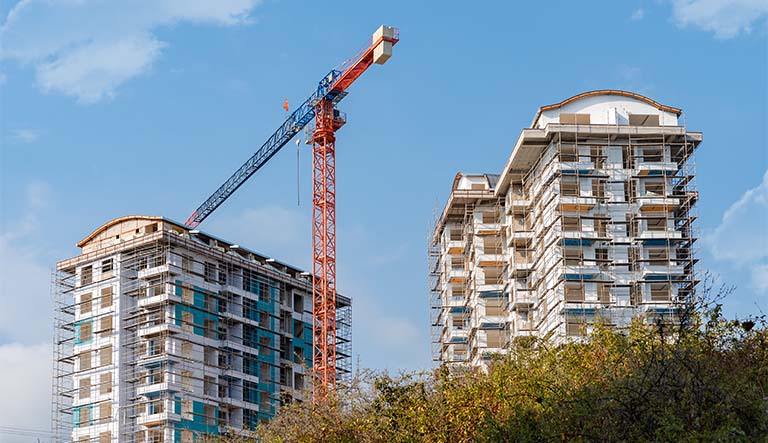
Under Construction vs Ready to Move-in Flats

If you’re thinking of buying a home, you’ve probably encountered two main options: under-construction properties and ready to move-in homes. Each has its own benefits, drawbacks, and risk profile. The key is to align your choice with your budget, timeline, risk appetite, and investment goals.

In this blog, we’ll deeply explore Under Construction vs Ready to Move-in Flats, define each, compare them, review pros and cons, highlight risks, and give you actionable tips so you can confidently decide. Let’s go.

What Is an Under Construction Flats?

An under construction flats (or under-construction property) refers to a residential unit or complex that is currently in the building phase and is not yet ready for occupation. You book or purchase the property in advance (during launch, foundation, mid-construction, or pre-completion stages), make payments in stages (often tied to construction milestones), and wait for possession when the developer completes the work.

Some key traits:

  • You purchase before full completion — sometimes even before structural work begins.
  • You often get flexible payment plans (construction-linked payments).
  • There is potential for price appreciation as the project progresses.
  • There is some degree of risk (delay, change in plan, cost escalation).

Many builders use under-construction projects for new developments or for expansion to new localities. Real estate blogs and developers repeatedly caution buyers to scrutinize the builder’s credibility when going this route.  Wikipedia

What Is a Ready to Move Flats?

A ready to move Flats (or ready-to-move property) is one in which construction is fully completed, all statutory clearances are obtained (including occupancy certificate, if required), and possession is available immediately or very soon.

Characteristics:

  • You can physically inspect the finished property, amenities, finishes, and surroundings before you commit.
  • There is no waiting period — you can move in or rent out right away.
  • The scope for customizing layouts is minimal (since the structure is complete).
  • Because risk is lower, pricing per square foot tends to be higher.

“For instance, projects by developers such as Reliant Housing in Jaipur offer phased payment options and clear RERA registration for under-construction properties.”

What Is the Difference Between Under Construction and Ready to Move in Flats?

To understand Under Construction vs Ready to Move In in clear terms, here is a comparative view across key parameters:

Factor / FeatureUnder Construction FlatsReady to Move-in Flats
Possession / OccupancyFuture (months or years ahead)Immediate or very soon
Payment SchedulePhased payments tied to progressUsually full payment or immediate loan disbursement
PricingLower per sq.ft (often 10–30% less)Higher, due to completion and zero risk
GST / TaxesGST applicable (5% for many residential)Generally exempt (if project is complete)
CustomisationPossible during constructionVery limited, mostly post-purchase renovation
Risk & DelaysHigher risk — delays, changes, developer issuesLower risk — you see finished product
Rental Income / Cash FlowBegins only after possessionCan start immediately (if buyer wishes)
Inspection / Quality CheckYou rely on developer promises, sample flatsYou inspect the actual unit, finishes, quality
Appreciation PotentialPotentially higher (especially in growth areas)More stable / moderate appreciation
Legal / Approval CertaintyNeeds careful due diligence on approvals, titleMany approvals already in place; less ambiguity

This table gives a snapshot of the main differences.

Under-construction Flats vs Ready To Move In: Explanation

Let’s dig deeper into this comparison by discussing aspects that influence your decision in real life.

Cost & Pricing Differences

  • Under construction properties are normally cheaper per square foot, especially in the early stages. Builders often launch with lower prices to attract early buyers.
  • Ready to move homes command a premium due to the certainty and zero waiting.
  • However, in under-construction projects, additional costs — like escalation charges, development fees, or hidden charges — may appear later.
  • Also, GST (5% or other slab) may apply to under-construction homes, potentially narrowing the effective price gap.

Time / Delay / Possession Risk

  • Under-construction properties carry the risk of delay. Even with RERA, many projects get delayed due to labor shortages, regulatory hurdles, funding problems, or supply chain issues.
  • Ready homes eliminate that delay risk — what you are buying is already built.

Customization & Flexibility

  • In under-construction projects you may be able to influence layout changes, interiors during certain stages (depending on developer).
  • Ready homes have fixed structure; customization mostly limited to internal finishes (paint, fixtures).

Rental / Income / Cash Flow

  • Ready homes let you generate rental income immediately (if you’re an investor).
  • Under-construction homes require waiting until possession before earning returns.

Transparency & Inspection

  • With ready homes, you see the actual unit, local surroundings, amenities, quality of finishes, roads, neighborhood.
  • In under-construction, much is on paper, promises, show flats — risk of deviation from promotional materials.

Appreciation & Investment Potential

  • Under-construction often offers better upside in emerging locations: as infrastructure develops, the value may rise significantly.
  • Ready homes in established areas appreciate steadily, though growth may be more modest.

Tax, Loan & Regulatory Aspects

  • Both property types allow home loan funding, but lenders may be more comfortable with ready-to-move properties.
  • Tax benefits (interest deduction, principal deduction) are typically claimable only after possession (for under-construction).
  • Under-construction properties attract GST; ready homes generally are exempt from GST if they have occupancy certificate.
  • Under-construction projects must abide by RERA timelines, disclosures, etc. The Real Estate Regulatory Authority has added buyer protections, but one still has to check compliance.

Thus, the choice is nuanced: risk vs reward, timeline vs patience, certainty vs potential.

Disadvantages of an Under-Construction Property

Here are the key disadvantages you should be aware of:

  1. Possession Delays
    Projects may be delayed — sometimes significantly. This may force you to pay rent and loan EMIs simultaneously.
  2. Escalation & Hidden Charges
    Builders may levy escalation clauses, development charges, parking charges, or changes in specification not covered in the initial agreement.
  3. Quality & Design Changes
    Promised amenities or designs may differ in the final delivered project.
  4. Market Fluctuations
    Over the development period, market conditions may change, resulting in lower than expected appreciation or even depreciation.
  5. Risk of Project Abandonment
    In extreme cases, a developer may default or abandon the project due to financial issues.
  6. Delayed Returns / Cash Flow Gap
    Since you can’t rent until possession, there is a gap between investment and returns.
  7. Regulatory & Legal Risk
    If clearances (land title, environmental, approvals) are not properly secured, you may face legal issues.
  8. Interest Payment During Construction (Pre-EMI)
    During construction, you usually pay only interest (pre-EMI), not the full EMI, but that adds to your cost.

The Silent Risks of an Under-construction Property

Beyond the obvious shortcomings, there are silent or hidden risks that many buyers overlook:

  • Liquidity Risk / Resale Challenges Before Possession
    Although you can resell under-construction, finding buyers mid-construction can be harder, and margins may be thin.
  • Builder Credit & Financial Health
    If the developer’s finances are weak, progress may stall or quality compromised.
  • Changes in Regulatory Norms or Statutes
    Changes in laws, zoning, taxes, or construction norms can impact project viability or cost.
  • Infrastructure & Surrounding Development Delays
    Promised roads, connectivity, or amenities in the locality may get delayed, reducing overall livability and value.
  • Interest Rate Changes / Financing Risk
    Over long durations, interest rates might increase, affecting loan burden or affordability.
  • Inflation & Rising Material Costs
    Costs of raw materials might rise during construction, which may force the developer to levy additional price escalation on you.
  • Documentation Shortcomings or Hidden Encumbrances
    Land disputes, pending litigation, or lack of clear title may surface later.
  • Delayed Approvals / Legal Bottlenecks
    If final clearances, occupancy certificates are delayed or withheld, you might not be allowed to occupy legally.

These risks make it essential to perform rigorous due diligence before investing in under-construction properties.

Advantages of Ready To Move in Property

Choosing a ready to move-in property offers several advantages:

  1. Immediate Possession / Zero Waiting
    You don’t wait for construction to wrap up — move in right away or rent it out.
  2. No Delay Risk
    Since construction is complete, you avoid uncertainties of delay, legal hurdles in construction, etc.
  3. Transparent Inspection
    You can personally inspect the unit, test utilities, roads, neighbor behavior, amenities, and verify the quality of finishes.
  4. Stable Cash Flow / Rental Income
    For investors, rental returns can begin almost instantly.
  5. No GST / Lower Tax Burden
    Ready-to-move properties (with OC) are typically exempt from GST, making the cost structure cleaner.
  6. Better Financing / Loan Approval Chances
    Lenders often prefer completed assets; approvals and disbursement are simpler.
  7. Reduced Risk
    Fewer uncertainties in terms of construction, defaults, or deviations.
  8. Predictability
    What you sign up for is what you’ll get — less scope for surprises or negative deviations.

These advantages make ready homes attractive, especially for risk-averse buyers or those needing immediate occupancy.

Disadvantages of a Ready-to-Move-in Property

However, ready-to-move homes also have tradeoffs. Here are the disadvantages:

  1. High Upfront Cost / Premium Price
    You pay a premium for certainty and immediacy.
  2. Limited Negotiation Flexibility
    Less scope for major discounts or price negotiation compared to under-construction deals.
  3. Minimal Customisation
    Structural layout and finishes are fixed; you may only change minor fixtures or décor.
  4. Possibly Older Inventory / Wear & Tear
    If the building is a few years old, maintenance issues may emerge.
  5. Lower Appreciation Potential (in some cases)
    Much of the property’s value is already realized, so the upside may be somewhat lower than in emerging projects.
  6. Choice Constraints
    You may have fewer units left (in good floors/facing) to pick from.
  7. Immediate Full Payment / Loan Burden
    Your financial burden begins immediately; no deferment via milestone payments.
  8. Potential Hidden Defects / Maintenance Issues
    Since the property is already built, defects in plumbing, wiring, finishes may exist which require repair.

Thus, while ready homes offer peace of mind, they come at a cost and with fewer flexibilities.

Things to Keep in Mind While Evaluating Under Construction vs Ready To Move In Flats

To make a wise decision, keep these critical factors in mind:

  1. Developer / Builder Credibility & Track Record
    Examine past projects, delivery record, customer reviews, litigation history.
  2. Legal Clearances & Paperwork
    Ensure land title, building approvals, environmental clearances, RERA registration, occupancy certificate (for ready homes), etc.
  3. RERA Registration / Compliance
    For under-construction projects, RERA compliance is mandatory and gives you legal recourse for delays.
  4. Possession Timeline & Delay Penalties
    Make sure the agreement has clear clauses for delay, penalty, compensation, etc.
  5. Payment Plan & Escalation Clauses
    For under-construction, check for escalation charges, hidden costs. For ready homes, ensure all dues are transparent.
  6. Amenities & Infrastructure Implementation
    For under-construction, confirm that promised amenities (clubhouse, roads, landscaping) will be delivered. Evaluate locality infrastructure, connectivity.
  7. Inspection & Quality Assurance
    In ready homes, inspect finishes, plumbing, wiring, alignment, etc. In under-construction, check for building materials, structural plans, sample flats.
  8. Budget Buffer & Contingencies
    Always keep a buffer for escalation, maintenance, or delay-related costs.
  9. Loan & Tax Implications
    Understand implications for home loan approval, interest, pre-EMI, and when you can claim deductions.
  10. Resale / Liquidity Prospects
    Evaluate the demand for your property type and where resale buyers may come from, even mid-construction.
  11. Market / Location Dynamics
    Study the locality’s growth prospects, upcoming infrastructure projects, accessibility to essentials (schools, hospitals, transit).
  12. Visit the Site / Neighborhood
    Go physically to the site, observe surroundings, traffic, future development.
  13. Check Buyer Rights & Dispute Resolution Mechanism
    Ensure your agreement allows for remedies if developer defaults; RERA or other grievance forums should be accessible.

By thoroughly vetting these factors, you can reduce risk and make an informed choice.

Conclusion : Under Construction vs Ready to Move Homes

So, which is better — under construction or ready to move in? The answer: it depends on your priorities.

  • If you need immediate possession, low risk, certainty, rental income right away, then a ready-to-move home is the safer bet.
  • If you can wait, want flexibility, lower entry cost, and aim for higher appreciation, then an under-construction property may deliver better returns — provided you choose the right project and builder with strict due diligence.

Here’s a simplified decision matrix:

Your Profile / GoalGo for Ready to Move InGo for Under Construction
Need to move ASAP
Risk-averse
Want immediate rental income
Budget constrained / want phased payments
Can wait for 2–5 years
Looking for higher appreciation in futurePotential
Want customization flexibilityLimited

In conclusion, there is no one-size-fits-all. The “better” option is the one aligned with your time horizon, finances, risk tolerance, and investment strategy.

FAQ’s

1. Which is better ready-to-move or under-construction flats?

Answer: Both have advantages — ready-to-move flats offer immediate possession, no waiting period, and zero construction risk. Under-construction flats are usually cheaper, come with modern designs, and can give higher returns once completed. The best choice depends on your budget, purpose (investment or living), and time frame.

2. Are under-construction flats cheaper than ready-to-move ones?

Answer: Yes, under-construction flats are typically 10–20% cheaper than ready-to-move properties in the same area. Developers often offer early-bird discounts, flexible payment plans, and pre-launch offers, making them ideal for long-term investors.

3. What are the risks of buying an under-construction flat?

Answer: Main risks include project delays, quality issues, and legal disputes. Always check if the project is RERA-registered, verify the builder’s track record, and review construction timelines before investing. This ensures safety and transparency.

4. Why do homebuyers prefer ready-to-move flats?

Answer: Homebuyers prefer ready-to-move flats because they offer immediate possession, no GST, and the assurance of what you see is what you get. It’s perfect for end-users who want to avoid waiting periods and rental expenses.

5. Which option gives better ROI ready-to-move or under-construction flats?

Answer: Under-construction flats generally offer better ROI due to lower entry prices and value appreciation during the construction phase. However, ready-to-move flats provide instant rental income and lower risk, ideal for short-term stability seekers.


Name

How to Invest in Real Estate in India – The Ultimate Guide

 “Want to turn property into profit? Here’s how smart investors do it in India!”

If you want to grow your wealth, one of the best moves you can make is to invest in real estate in India. From rising property values to steady rental income, smart investors know this market offers big profits when approached the right way. This ultimate guide will show you exactly how to spot opportunities, avoid risks, and make real estate your most rewarding investment.

1. Why Real Estate Investment in India is Still the Best Option

Real estate is still one of the best ways to generate wealth in India because it gives you capital appreciation, rental income, tax breaks, and a way to diversify your portfolio. There are still pockets of outsized profits, but they need data-driven decisions, legal safety, and the correct timing. This is because of institutional flows, more people moving to cities, and developers merging. India has continued to attract major private equity and institutional investment in real estate, which is a sign that the sector is becoming more professional. The India Brand Equity Foundation

2. 7 Proven Ways to Make Big Profits from Real Estate in India

2.1: Buy land and projects that are still being built to make money.

Look for fast-growing micro-markets where new infrastructure like airports, metros, and IT parks are being built. Getting in early on these kinds of micro-markets usually leads to the biggest price increases.

2.2:  Buy to rent for a consistent stream of cash

Look for neighborhoods where there is a lot of demand for rentals, like near offices, colleges, and hospitals. Find the rental yield by dividing the annual rent by the purchase price. Look for yields that comfortably cover EMIs and maintenance.

2.3:  Fix-and-flip (adding value in the short term)

Buy units that are worth less than they are, make smart renovations (such adding new lighting and upgrading the kitchen and bathroom), and sell them within 6 to 18 months. This can make a lot of money in a short amount of time if the market is liquid.

2.4:  Make plans for or develop investments

Buying plots in up-and-coming suburbs (with authorized layouts) can yield you big returns, but you need to do thorough land-title checks and hold on to them for a long time.

2.5:  Commercial leasing (better returns, longer leases)

When leased to businesses, commercial facilities including shops, offices, and warehouses frequently have higher returns and a lower danger of being empty. The quality of institutional tenants is very important.

2.6:  Use REITs, AIFs, or real estate platforms to invest

Real estate investment trusts (REITs) and real estate AIFs give you access to commercial properties without having to own them. Look for properties with good occupancy rates, strong tenant agreements, and assets in the metro area.

2.7:  Land-banking with a partner or co-investor

Putting money together with a partner (or developer JV) lowers the risk for bigger property deals. Make sure to employ formal contracts and departure provisions.

3. Step-by-Step Guide to Investing in Real Estate in India

Step 1: Set a goal and a time frame

Choose either income (rent) or growth (capital appreciation), and then pick your time frame: short (1–3 years), medium (3–7 years), or long (7+ years).

Step 2: Choose a city and a micro-market (data first)

Use portals, transaction statistics, and developer launches to narrow down your choices of micro-markets. Tier-1 cities are stable and have high rents, while Tier-2 cities may have more room for growth. You can leverage locality-level trends from top portals and market studies.

Step 3: Sort projects by developer track record, RERA, and delivery.

You should verify the developer’s RERA registration, past delivery record, encumbrance certificate, and approved plans.

Step 4: Financial sizing and a safety margin

Figure out the overall cost (including stamp duty, registration, GST if applicable, and maintenance), the estimated rental yield, and the worst-case exit situation. Set aside 10 to 15 percent for emergencies.

Step 5: Negotiation and paperwork

Talk about the price, the date of possession, and the extras. Make sure you get a documented agreement, a clear payment plan, and stipulations that are tied to possession.

Step 6: Getting the most value when you buy

If you plan to hold, you should expect regular upgrades, skilled property management, and rent increases that happen in stages and are in line with the market.

4. Real Estate Due Diligence Checklist for Indian Investors

Legal & Regulatory Checks

  • RERA registration and the status of the project (in progress or delivered).
  • Title search and encumbrance certificate must be clear.
  • Plan and NOC from local authorities that have been approved.
  • Look at the developer’s history of lawsuits.

Financial & Market Checks

  • Builder’s cash flow and how it connects to subordinate lenders.
  • Realistic rental estimates (averages from third-party property managers or portals).
  • Tax effects (capital gains, TDS on rent when it applies).

Construction & Amenities Checks

  • Quality of construction, water and sewage, elevators, and other civil facilities.
  • Neighborhood walk test: stores, transportation, safety, and getting to school or work.
  • Before you sign any booking form, check off this list.

5. Financing, Taxes, and Exit Planning for Real Estate Investors

Mortgages and leverage

Taking out a house loan increases returns but also increases risk. Match the length of the loan to how long you plan to keep it, and stay away from ballooning EMIs.

Things to keep in mind about taxes

  1. Holding period regulations set tax rates for short-term and long-term capital gains.

2. Indexation benefit on long-term capital gains lowers the amount of tax you have to pay on those profits.

3. After usual deductions, rental income is taxed as “Income from House Property.”

4. For complicated arrangements like AIFs, trusts, and business holdings, always use a tax advisor.

Planning for an exit

Before you buy, set exit triggers such a goal IRR, price, or market indication (like a surge in interest rates). Don’t think that all micro-markets will always have liquidity.

6. Smart Ways to Invest in Real Estate Without Buying Property

If you want to make money in real estate without having to own it directly:

REITs are investments in publicly traded business portfolios. They offer liquidity and regular payouts. Perfect for getting into malls and offices without having to deal with administration issues.

Real estate AIFs are professionally managed funds that invest in projects that are likely to make more money (only for certified investors). Recent launches demonstrate that institutions are more interested.

Crowd-investing platforms and fractional ownership let you buy into high-end assets for less money. Look at the rules and ways to get out of the platform.

7. Learning from Top Indian Real Estate Portals

The best Indian real estate websites, like 99acres, MagicBricks, Housing.com, PropTiger, and others, have great data, recommendations to different areas, and calculators for how much money you may borrow. You should take their strengths:

  • Locality heatmaps from portals can help you confirm the possibility for appreciation by showing you price patterns and data about the area.
  • Many websites publish useful information about REITs, alternative investments, and rental yield calculations. You can use these frameworks to test agreements.
  • Regulatory and news updates: Keep a watch on policy changes (RERA updates, changes to stamp duty, and permissions for infrastructure) reported by major websites.

Tip: Don’t just copy advise word for word. Instead, use information from other sources, such as local brokers, municipal records, and other websites, to come up with your own opinion.

8. Common Mistakes in Real Estate Investment and How to Avoid Them

Buying because of feelings or excitement is a mistake. Fix: Make a stringent criteria and use data (such transaction comps and rent comparables).

Mistake: Not doing title and legal checks. Fix: Hire a lawyer to check the title and make sure the encumbrance certificates are correct.

Mistake: Using too much leverage. To fix this, stress-test your cash flow assuming a 2–3% spike in interest rates and a 3–6 month vacancy.

Mistake: Not taking into account the costs of owning (maintenance, taxes). Fix: Add the cost of yearly upkeep and property taxes to the yield estimates.

30/60/90 day quick action plan

  • 30 days: Decide on an investment aim (income vs. growth), make a list of 2–3 cities or micro-markets, and sign up for market reports.
  • 60 days: Make a short list of properties, investigate the legal and title issues, get pre-approved for a loan, and run ROI and stress tests.
  • 90 days: Make a deal, sign a booking with conditions that relate possession, and make a strategy for property administration or renovation.

In conclusion

Real estate can still make a lot of money, but only if you do market research, stay safe legally, keep your finances in order, and have a clear plan for getting out. No matter if you buy property directly, through a REIT, or an AIF, the most important thing is to handle real estate like a business: keep track of your expenses, monitor your inputs, and keep an eye on the market. Use well-known websites for information, but always double-check local facts by doing title checks and visiting the area in person.

Is it preferable to invest in real estate than in stocks?

They have separate jobs. Real estate gives you real assets, rental income, and leverage. Stocks give you liquidity and make it easier to diversify. A lot of investors do both.

How much money do I need to get started?

It depends on the market and the car. Direct property needs a lot of money (or a mortgage). You can get in with considerably lesser amounts with REITs and fractional platforms.

Is it a good idea to put money into Tier-2 cities?

Tier-2s can go up in value more, but they are also riskier and harder to sell. Pick micro-markets that have proven infrastructure and demand.

Real-estate-investment-india-guide-profit?

Discover how to invest in real estate in India for big profits. Step-by-step guide, proven strategies, tax tips & mistakes to avoid for smart investors.

Name

Is Buying a Flat a Good Investment in 2025? Pros, Cons & Key Insights

City / RegionWhy It’s Attractive in 2025Key Micro‑Locations / Growth Corridors
JaipurRapid infrastructure development, relatively affordable rates compared to primary metros. Reliant Housing’s projects in Mansarovar, Ajmer Road etc show this. Relianthousing.inMansarovar Extension, Ajmer Road, nearby ring roads, suburbs seeing metro/highway plans.
BengaluruStrong IT & tech job growth, major infrastructure projects, migration continues. Reliant Housing could expand here.Suburbs near Whitefield, Sarjapur Road, Devanahalli, North Bangalore (ring road expansions)
HyderabadAffordable housing compared to metros, good infrastructure, good rental yields.HITEC City outskirts, suburbs witnessing transport/infrastructure upgrades.
PuneConnectivity, lower property cost vs Mumbai/Bengaluru, strong demand from young professionals.Hinjewadi, Wakad, areas along new expressways and metros.
Tier‑2 & Tier‑3 CitiesGrowing job markets, better connectivity, less expensive real estate, high upside. Reliant Housing’s model has strong opportunity here.Emerging suburbs, near ring roads/industrial zones, near upcoming airports.

When considering buying a flat, it helps to compare with alternative uses of funds.

FAQs

What is a good rental yield for flats in India in 2025?

In metros, yields of 2-3% are common; in suburbs, Tier-2 cities or upcoming areas, yields can go up to 4-5% or more depending on demand and amenities.

How much appreciation can one expect in a good location?

In high growth areas, price growth of 8-12% annually is possible. But this depends on infrastructure, city growth, supply/demand.

Should I prefer ready-to-move flats or under-construction?

Ready-to-move offers immediate possession and less risk of delays. Under-construction may offer lower entry price but comes with risks (delay, cost overruns).

How will interest rates affect my investment?

If interest rates go up, EMIs or loan cost increases, reducing cash flow. Also, higher rates may dampen buyer demand, affecting resale values.

What documents should I verify before buying a flat?

Always check the sale deed, RERA registration, encumbrance certificate, approved building plan, occupancy certificate, and builder’s approvals. Reliant Housing ensures full transparency and compliance in all project documentation.

Floresta Jaipur: Upcoming 3/4 BHK flats in Jaipur

In the heart of the Pink City Jaipur where tradition and modernity converge, a new residential marvel is reshaping the idea of urban living. Introducing floresta in jaipur an eco-conscious, thoughtfully designed housing project that not only offers luxurious living but also embraces sustainability and serenity, a perfect mix of urban life and nature . This blog dives into what makes FLORESTA an exceptional choice for homeowners and investors alike.

Vision Rooted in Nature and Comfort

FLORESTA, defined as  “forest” in Latin, stands true to its name by promising a lifestyle surrounded by greenery, peace, and purpose. Conceived by the trusted Reliant Group, this project is more than just a residential complex it’s a lifestyle movement aimed at promoting harmony between urban life and nature.

Located in a main area of Jaipur, FLORESTA provides residents the perfect blend of accessibility and silence. It is strategically positioned to provide seamless connectivity to main parts of the city including educational institutions like  Ryan International School, healthcare centers like Apex Hospital , shopping complex , and transit hubs, all while being located in natural beauty.

Modern Architecture Meets Green Living

What sets floresta in jaipur apart is its innovative architecture fused with green design principles. The layout and construction methods are tailored to minimize environmental impact while maximizing natural light, ventilation, and space efficiency.

Each apartment and villa within FLORESTA is designed to offer:

  • Spacious layouts with optimal use of square footage
  • Balconies and open terraces for everyday relaxation
  • Energy-efficient lighting and appliances
  • Rainwater harvesting systems
  • Solar panel provisions
  • Landscaped gardens and green corridors

These features are not just cosmetic they are practical choices that lessen utility bills and environmental footprint while ensuring comfort and elegance.

Community-Centered Lifestyle

FLORESTA is more than a set of buildings it’s a community that fosters well-being, security, and meaningful connections. The developers have paid close attention to lifestyle amenities that bring people together and cater to all age groups.

Here’s a glimpse of what residents can enjoy:

  • Clubhouse with fitness center and indoor games
  • Swimming pool with kids’ zone
  • Jogging tracks and yoga lawns
  • Children’s play areas
  • Senior citizen sitting zones
  • Amphitheater and community hall
  • 24×7 security with CCTV surveillance
  • Smart access controls and intercom facility

The well-planned infrastructure and serene environment make FLORESTA an ideal place for families, professionals, and retirees looking to lead a balanced and fulfilling life.

Sustainability

While many housing projects today claim to be “green,” floresta in jaipur backs its promise with certified sustainable development practices. From construction materials to waste management and water conservation, every aspect is guided by environmental responsibility.

The Reliant Group has partnered with eco-consultants to ensure floresta in jaipur meets global sustainability standards. Native trees and drought-resistant plants have been chosen for landscaping, reducing water use and supporting biodiversity. Waste segregation and composting facilities encourage residents to be eco-conscious in daily life.

In an age of climate anxiety and rising pollution, choosing a home at floresta in jaipur is a step toward a cleaner, greener future for yourself and for the generations to come.

Investment That Grows with You

Jaipur is rapidly emerging as a hotspot for real estate development, driven by infrastructure projects, economic opportunities, and improved connectivity. FLORESTA stands at the forefront of this growth.

Here’s why florsta in jaipur is an intelligent investment:

  • Rising property value in Jaipur suburbs
  • High rental potential due to amenities and location
  • Future-ready homes with smart infrastructure
  • Strong brand trust of Reliant Group

If you’re buying your first home or just  upgrading your lifestyle, or looking for a profitable asset, FLORESTA is a safe and promising choice.

Why Reliant Group?

With lots of experience in real estate and infrastructure development, Reliant Group has earned a name for delivering high-quality projects that blend innovation, value, and trust. The group’s commitment to timely delivery, transparent dealings, and customer satisfaction has made them a reliable  choice among homeowners and investors alike..

Conclusion

When the world is continuously rushing,florestain Jaipur, invites you to pause, breathe, and live meaningfully.Close to nature , It’s more than just a place to stay, it’s a space to thrive, grow, and connect with nature, family, and community.

If you’re looking for a home that reflects your values and aspirations, FLORESTA is waiting to welcome you. Discover sustainable luxury. Discover FLORESTA.

Your dream home
is just a call away

For Booking Call +91 9057833000

whatsapp