

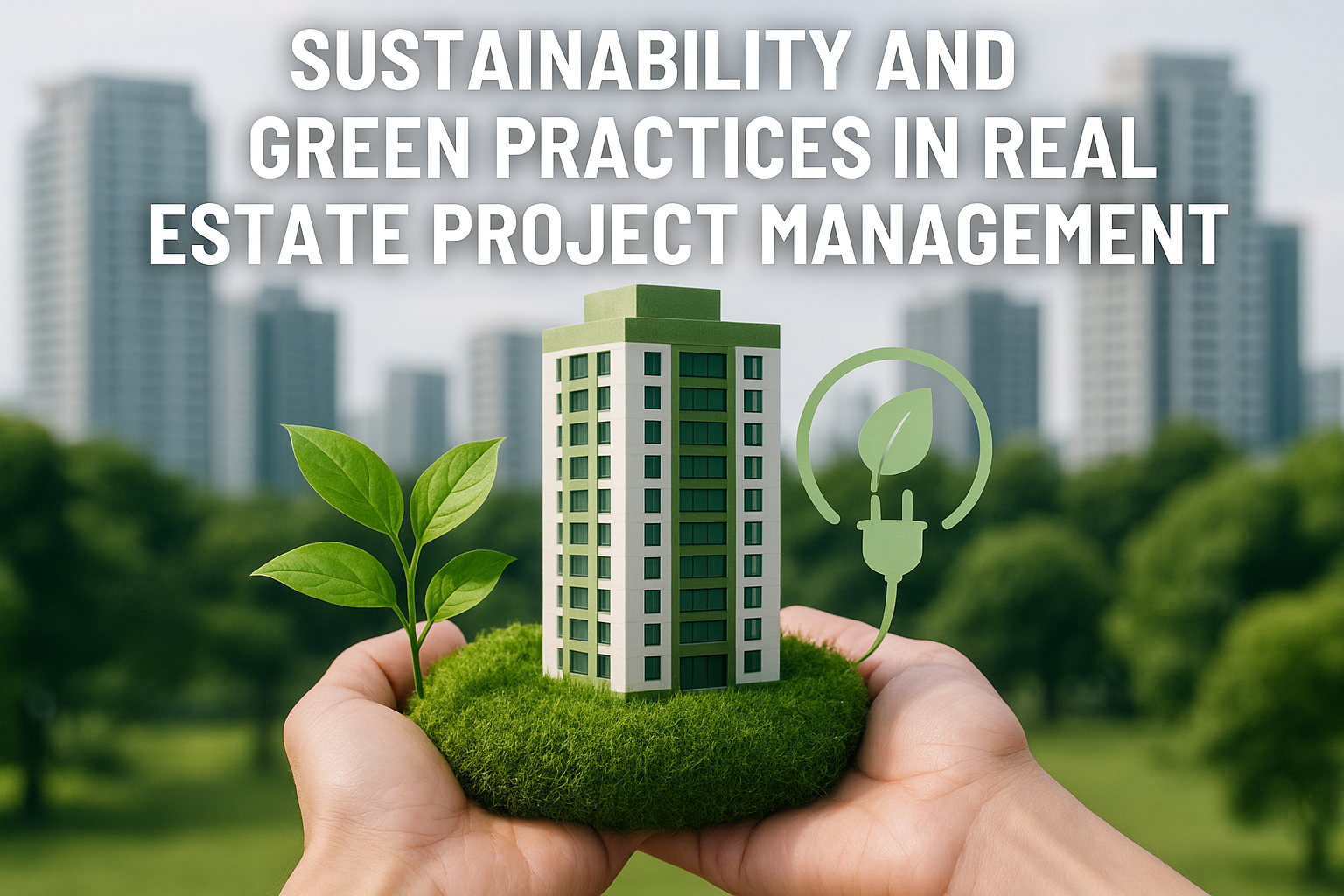
Sustainability and Green Practices in Real Estate Project Management
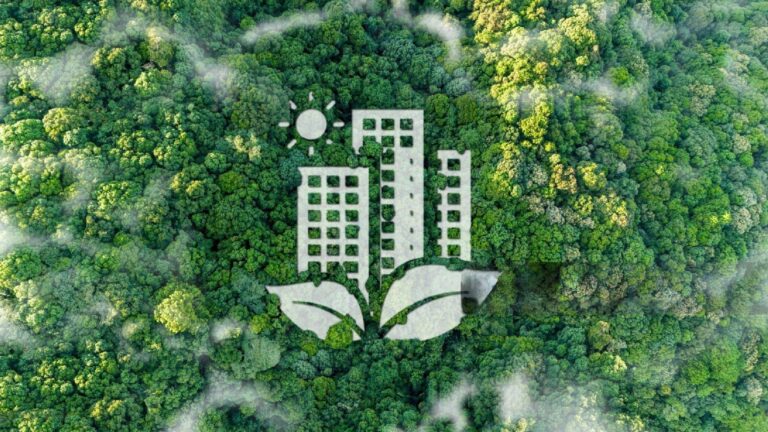
Real estate is evolving. More buyers, tenants, and investors now demand buildings that are not just structurally sound, but environmentally responsible, resource-efficient, and socially conscious. For forward-looking developers, sustainability is no longer an optional “extra” it’s central to long-term value creation and community well-being. In this blog, we discuss how sustainability in real estate development can be integrated throughout the life cycle of a project from planning to operation and how Reliant Housing aims to lead the way.
Why Sustainable Real Estate Matters
Environmental and Economic Benefits
- Sustainable real estate developments significantly reduce environmental impact by minimizing waste, conserving water and energy, and lowering carbon emissions.
- Green or energy-efficient buildings often translate into lower operational costs for occupants, reduced electricity bills, lower water consumption, and decreased maintenance costs over their lifecycle.
- From an investment viewpoint, sustainable buildings tend to command higher resale value and attract buyers or tenants who are eco-conscious or value long-term savings.
Growing Demand & Market Trends
- The share of green-certified real estate stock (offices, residential, etc.) is rising, signalling that sustainable real estate is no longer niche but mainstream.
- As global and national policy commitments to reduce carbon footprint increase, sustainable real estate is rapidly becoming a requirement for future-ready developments, not just an advantage.
Key Pillars of Sustainability in Real Estate Development
To build a truly sustainable real estate project, developers need an integrated approach covering environment, materials, energy, water, indoor quality, and community wellbeing.
Water Conservation & Efficient Water Management
- Use of water-efficient fixtures (low-flow taps/flush systems), sensor-based taps, dual-flush toilets and rainwater harvesting systems help reduce water consumption.
- Greywater recycling and reuse (for landscape irrigation or flushing) reduces reliance on freshwater. institute
- Landscaping using drought-tolerant or native plants reduces irrigation needs, especially important in water-scarce regions. i
Energy Efficiency & Use of Renewable Energy
- Incorporating energy-efficient design: good insulation, optimized natural light (day-lighting), passive design elements (minimizing heat gain / loss) reduces heating/cooling needs. savills.in
- Use of energy-efficient systems: LED lighting, energy-efficient HVAC systems, smart building automation lowering electricity consumption and reducing carbon footprint. Big
- Integration of renewable energy sources (e.g. solar power) as part of design reducing dependency on fossil-fuel electricity and supporting long-term sustainability goals. thenewsintel.com
Sustainable Building Materials & Waste Management
- Use of sustainable, recycled, or low-impact materials (recycled steel, low-carbon concrete, bamboo, reclaimed wood) helps reduce the environmental cost of construction.
- Local sourcing of materials and labor reducing transportation-related emissions and supporting the local economy.
- Managing construction and operational waste via recycling, reuse, and responsible disposal to minimize landfill contribution and environmental burden.
Indoor Environmental Quality & Healthy Living
- Designing for ventilation and natural light, using low-VOC paints and finishes, promoting clean indoor air enhancing occupant health and comfort.
- Incorporating biophilic design principles indoor gardens, green walls, natural elements to improve quality of life, connection to nature and mental well-being. StartUs
Smart Building Automation & Technology Integration
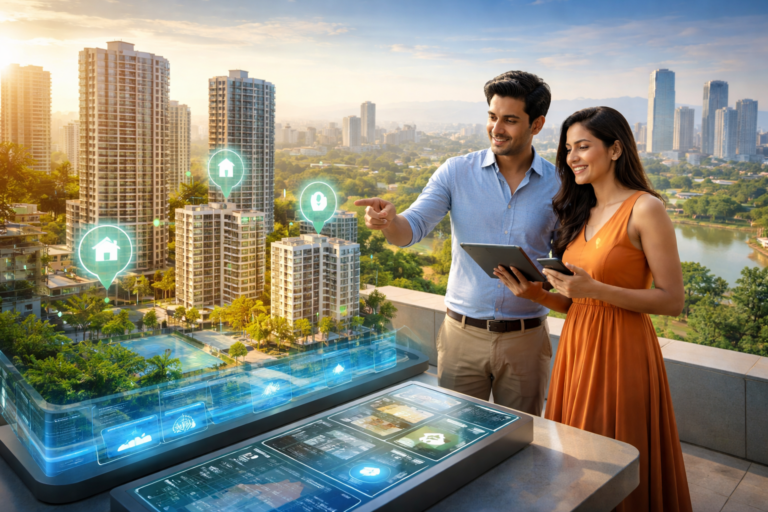
- Use of smart building systems (IoT sensors, automated controls) to manage lighting, HVAC, water usage in response to occupancy or environmental conditions, efficient resource use and predictive maintenance.
- Data-driven monitoring helps identify inefficiencies and optimize energy/water consumption over time reducing operating costs and environmental footprint.
Certifications & Standards for Credibility and Compliance
- Certifications such as LEED, BREEAM, GRIHA, and other recognized green-building standards provide third-party validation of sustainable practices boosting buyer/investor confidence.
- Such certifications often include criteria for energy use, water efficiency, materials, indoor quality, waste management, and community impact offering a structured blueprint for sustainability.
Social Sustainability & Community Impact
Sustainability isn’t just about the environment, it’s also about the people living in, around, and using the built spaces.
- Social sustainability in real estate development involves designing for inclusivity, safe and healthy living, community spaces, and long-term well-being of residents.
- By engaging community stakeholders early (before project execution), developers can ensure that infrastructure, amenities, accessibility, and public health aspects are considered leading to higher trust and social acceptance.
- Sustainable communities often see improved quality of life: better indoor environments, access to green/open spaces, reduced utility burdens, and safer, healthier surroundings.
For a developer like Reliant Housing, embedding social sustainability means building not just houses but responsible, inclusive communities that stand the test of time.
Risk Management & Resilience: Why It Matters in Real Estate Sustainability
Sustainable real estate isn’t just about “green features.” It’s also about reducing long-term risks environmental, regulatory, financial and building resilient properties.
- Sustainable developments help mitigate environmental risk: from water scarcity to energy price fluctuations to climate change by reducing reliance on non-renewable resources and ensuring resource efficiency. EY
- Green building certification and sustainable design practices can improve investor and buyer confidence, reducing financial risk and enhancing long-term asset value.
- Energy-efficient buildings are less vulnerable to rising utility costs and regulatory changes around emissions making them more resilient and future-proof.
How Reliant Housing Can Lead Through Sustainability
At Reliant Housing, our vision goes beyond building houses, we aim to build sustainable, resilient, future-ready communities. Here’s how we embed green practices in our projects:
- Integrated sustainable design: From site planning to building orientation, we optimize natural light, ventilation, and passive design elements to minimize energy use.
- Water-smart systems: We implement rainwater harvesting, efficient plumbing fixtures, and greywater recycling to reduce water demand especially important in water-scarce regions like Rajasthan.
- Green materials & local sourcing: Wherever possible, we use sustainable, low-impact building materials and source locally, reducing embodied carbon and supporting local businesses.
- Energy-efficient systems & renewables: Incorporation of LED lighting, energy-efficient HVAC, and readiness for solar/renewable integration to cut down electricity consumption and future-proof buildings.
- Healthy indoor living: Use of low-VOC paints/finishes, good ventilation, natural daylighting, and quality indoor environment prioritizing occupant health and comfort.
- Smart automation & building management: Leveraging technology to monitor and optimize water and energy use, and manage waste improving efficiency and long-term sustainability.
- Community-first approach: Planning community spaces, greenery, open areas, and socially inclusive amenities to foster well-being, community interaction, and social sustainability.
- Green certification mindset: Wherever possible, we aim for recognized green building certifications to validate our commitment to sustainability and deliver added value to buyers and investors.
Conclusion: Building for the Future with Sustainability
Sustainability in real estate development is no longer a “nice to have” it’s a necessity. From environmental responsibility to economic viability to social well-being, sustainable practices touch every aspect of a project’s lifecycle.
For developers like Reliant Housing and for buyers seeking homes or property, green practices offer a way to build long-lasting value: lower operating costs, higher asset value, resilient infrastructure, and healthier living spaces.
By embracing water conservation, energy efficiency, smart materials, healthy indoor quality, technology-driven management and community-oriented planning we don’t just build homes; we build sustainable communities ready for the future.

 Plot No. 16 B, Scheme 4-S, New Loha Mandi Road, Harmada-302013, Jaipur
 +91 9057833000
 info@relianthousing.in
 2025 Reliant Housing By